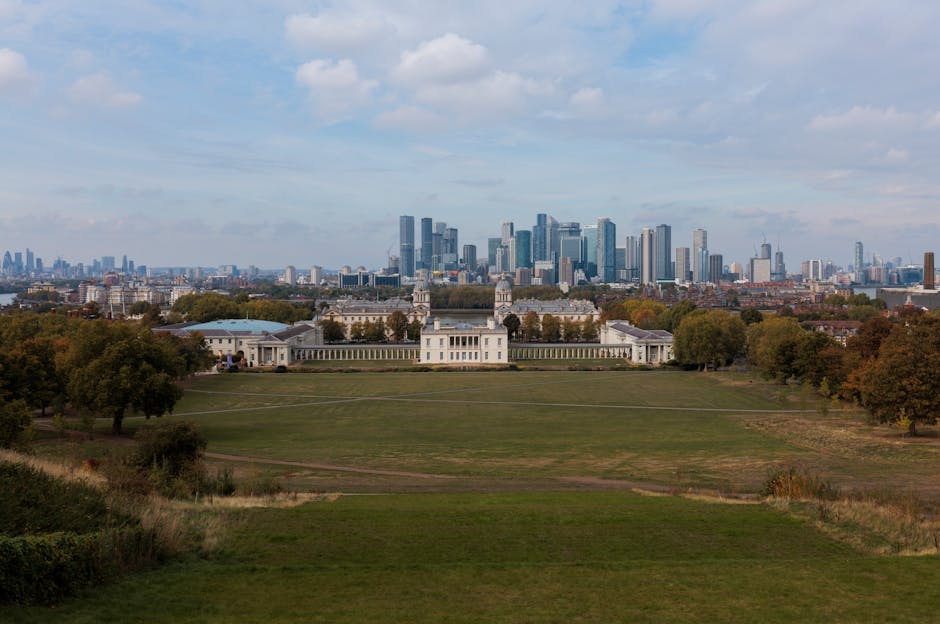
Affordable gardeners in Plumstead estates near Woolwich Arsenal
If you live in one of the Plumstead estates near Woolwich Arsenal, you probably know the same garden story all too well: a patch of grass that grows faster than expected, hedges that start leaning into the path, and jobs you keep meaning to do after work but never quite get round to. That is exactly where affordable gardeners in Plumstead estates near Woolwich Arsenal can make life easier. The right local gardener keeps things tidy without turning a simple maintenance job into a pricey headache, and that matters more than people often realise.
This guide breaks down how affordable garden care works, what to expect, where the value really is, and how to choose a service that feels sensible rather than rushed. We will also look at common mistakes, compliance basics, and the practical bits that often get missed until the garden is already out of hand. Truth be told, a well-kept outdoor space can change the whole feel of a home.
Table of Contents
- Why Affordable gardeners in Plumstead estates near Woolwich Arsenal Matters
- How Affordable gardeners in Plumstead estates near Woolwich Arsenal Works
- Key Benefits and Practical Advantages
- Who This Is For and When It Makes Sense
- Step-by-Step Guidance
- Expert Tips for Better Results
- Common Mistakes to Avoid
- Tools, Resources and Recommendations
- Law, Compliance, Standards, or Best Practice
- Options, Methods, or Comparison Table
- Case Study or Real-World Example
- Practical Checklist
- Conclusion
- Frequently Asked Questions
Why Affordable gardeners in Plumstead estates near Woolwich Arsenal Matters
Affordable gardening is not just about finding the cheapest person with a mower. It is about getting regular, reliable help that keeps outdoor spaces healthy, usable, and presentable without wasting money on work you do not need. In estate settings around Plumstead and Woolwich Arsenal, this can be especially important because gardens are often compact, shared boundaries are close together, and small neglect can snowball fast.
Let's face it, a tidy front garden says a lot before anyone even gets to the door. For landlords, homeowners, and tenants alike, decent garden care can reduce complaints, improve kerb appeal, and make weekly life less stressful. You notice it on a damp Tuesday morning when the path is clear, the borders are cut back, and there is no awkward scramble through overgrown shrubs just to get the bins out.
There is also a financial angle. Regular maintenance is usually easier to budget for than emergency clearance after months of neglect. A little attention every few weeks can prevent larger jobs later, and that is where "affordable" starts to make real sense. Not bargain-bin, not flashy, just sensible.
If you want to see the wider service picture, the services overview is a useful place to understand what a full garden care offering can include.
How Affordable gardeners in Plumstead estates near Woolwich Arsenal Works
Affordable gardening usually works through a simple mix of scope, frequency, and access. In plain English: what needs doing, how often it needs doing, and how easy it is for the gardener to reach the site and complete the work. A small front lawn and a couple of hedges will not cost the same as a rear garden with heavy clearance, awkward access, and mature planting. That should be obvious, but people sometimes forget how much the layout matters.
Most local garden services will price either per visit, per hour, or by the job. A regular maintenance arrangement is often the best value if the garden needs ongoing care. One-off visits can be good for seasonal resets, but they may cost more per hour because there is usually more catching up to do.
A sensible affordable gardener will normally start with a quick assessment: size of garden, current condition, plant density, waste volume, access, and any extra tasks like hedge trimming or lawn edging. If the quote is too vague, that is a warning sign. You want clarity, not guesswork dressed up as a deal.
Typical tasks in this kind of service often include:
- lawn mowing and basic edging
- hedge trimming and light shaping
- weeding and border tidy-ups
- leaf clearance and seasonal cut-back
- green waste removal where agreed
- simple planting or replanting advice
For recurring upkeep, many residents also combine services such as routine garden maintenance with lawn mowing or hedge trimming so the garden stays under control without needing a big intervention every few months.
Key Benefits and Practical Advantages
The biggest benefit is simple: less hassle. But there is a bit more to it than that.
- Better presentation: neat edges, controlled hedges, and a tidy lawn make a garden feel cared for even if it is modest in size.
- Lower long-term cost: regular upkeep often prevents expensive clearance or repairs later on.
- Safer outdoor spaces: overgrowth, slippery paths, and hidden debris can create avoidable hazards.
- Better use of space: if the garden is actually accessible, you are more likely to sit out, plant, or use it properly.
- Less personal stress: there is a real peace-of-mind benefit when the jobs are handled by someone consistent.
Another practical advantage is flexibility. A good gardener can often adapt work to the season, the condition of the garden, and your budget. Maybe you only need mowing and pruning in summer, then clearance and leaf work in autumn. Maybe the front garden needs more attention than the back. Fair enough. You should not have to pay for a full redesign when all you really need is sensible maintenance.
There is also a real uplift for rented homes and estate properties. Tidy outdoor areas tend to look more cared for, which can help with tenant satisfaction and reduce the "I'll sort it next week" spiral that so many gardens get stuck in.
Who This Is For and When It Makes Sense
Affordable garden services are useful for quite a broad mix of people, but they are especially helpful if you are in one of these situations:
- Busy homeowners: you want the garden kept in check without sacrificing evenings and weekends.
- Tenants and landlords: the space needs to stay tidy and presentable without unnecessary overspending.
- Older residents: heavier tasks like hedge cutting, lifting waste, or repeated mowing may be difficult or unsafe.
- Families: the garden needs to be usable, not just decorative.
- Property managers: communal or shared spaces often need regular, predictable care.
This makes particular sense near Woolwich Arsenal, where many people value convenience and fast turnaround. If a garden is becoming difficult to manage, waiting until it is "really bad" usually costs more and feels worse. Not exactly a thrilling revelation, but it is true.
You may also need affordable help after seasonal change, a long holiday, a tenancy handover, or a period when health, work, or family life has pushed garden care to the bottom of the list. Happens all the time.
Step-by-Step Guidance
Here is a practical way to approach the job without overpaying or ending up with patchy results.
- Walk the garden properly. Look at lawn size, hedges, weeds, waste, access points, and anything awkward such as steep steps or narrow side passages.
- Separate must-do from nice-to-do. Mowing and safety clearance may matter more than cosmetic planting or decorative work.
- Decide on frequency. A small garden may need fortnightly or monthly work, while more overgrown spaces could need a one-off reset first.
- Ask what is included. Does the price cover waste removal, edging, sweeping, or just cutting? This matters a lot.
- Check whether the gardener is insured and safety-conscious. This is not being fussy. It is common sense.
- Compare like for like. Two prices only mean something if they cover the same tasks.
- Agree a simple ongoing plan. Regular visits are often the easiest route to affordability.
If your garden has a mix of overgrowth and hard-to-manage debris, a one-off garden clearance can reset the space before regular maintenance takes over. That is often the cleanest way to avoid paying again and again for the same mess.
Expert Tips for Better Results
In our experience, the cheapest quote is not always the best value. A gardener who rushes may leave uneven cuts, missed weeds, or clipped hedges that look worse a fortnight later. The aim is steady, tidy work that lasts.
Here are a few tips that genuinely help:
- Ask for the maintenance rhythm, not just the price. A good provider should be able to say what will happen each visit.
- Use seasonal timing. Heavy pruning in the wrong season can be a bad idea for some plants, so sensible scheduling matters.
- Keep access easy. Move bins, toys, and loose items before the visit. It saves time, and time is money.
- Bundle sensible jobs together. Mowing plus hedge trimming plus weeding can be more efficient than three separate visits.
- Watch for recurring problem areas. A shady corner, a narrow strip along the fence, or a patch near the shed may need slightly different care.
One small thing people forget: ask what happens to the waste. A garden can look beautifully cut and still feel half-done if bags of clippings sit there for days. If sustainability matters to you, look for a provider with a clear approach to disposal and recycling. You can explore the company's recycling and sustainability approach to see how that side is handled.
Expert takeaway: affordable gardening works best when the job is scoped properly, the visits are regular, and the service is chosen for consistency rather than headline price alone.
Common Mistakes to Avoid
Some mistakes are surprisingly common, and they tend to cost more than expected.
- Choosing only by price: a low quote with vague wording can become expensive if extras appear later.
- Ignoring access problems: narrow side gates, locked entries, or heavy waste can add time and frustration.
- Letting the garden get too far gone: once growth takes over, the work becomes clearance rather than maintenance.
- Skipping waste removal discussions: this is one of the most common sources of confusion.
- Not asking about insurance: if work is being done on your property, you want reassurance that basic safeguards are in place.
- Expecting perfection from one visit: some gardens need a reset before they can stay manageable.
There is a subtle trap here. People often want a "quick tidy" when the space really needs proper attention. Nothing wrong with that instinct, but being honest about condition makes for better pricing and less disappointment.
Tools, Resources and Recommendations
You do not need a shed full of expensive kit to keep an estate garden in decent shape, but the right tools make a big difference. For homeowners doing smaller jobs between visits, a basic set of hand tools, a rake, pruners, a lawn edging tool, and sturdy gloves usually covers the basics. For bigger or more frequent work, a professional's equipment will save time and give a neater finish.
From a service perspective, it helps to look for a provider that offers a clear range of maintenance options rather than one vague "garden job" promise. A practical starting point is to review the pricing and quotes information and then match that against the actual work your garden needs.
Useful service areas often include:
- lawn mowing for regular grass care
- hedge trimming for boundary control and shape
- general garden maintenance for ongoing upkeep
- landscape gardening if you want a more considered outdoor layout
- landscaping for structural improvements or redesign
If a garden is more than just a tidy-up job, it can also be worth exploring decking services or more substantial tree lopping and removal where appropriate. Those jobs sit outside simple mowing, of course, but they can make a big difference to how the space works day to day.
Law, Compliance, Standards, or Best Practice
For most homeowners and estate residents, garden maintenance is straightforward. Still, there are a few best-practice points worth respecting. Local waste handling, neighbour boundaries, noise, access, and safe use of tools all matter. If work involves cutting larger branches, using ladders, or removing waste in bulk, the gardener should follow sensible safety procedures and avoid making assumptions about what is safe on the day.
In the UK, good practice usually means:
- working with appropriate liability cover where the job requires it
- using equipment safely and keeping walkways clear
- checking access and avoiding damage to fences, walls, or paving
- disposing of green waste responsibly
- respecting property boundaries and shared estate spaces
If you are arranging work in a managed estate or rented property, it is also wise to check any site-specific rules about noise, access times, or waste handling. That sounds minor, but it can prevent awkward conversations later. For peace of mind, many customers also look at an insurance and safety statement before agreeing to more involved work.
On the trust side, a professional business should also have clear operating policies. These are not just paperwork for the sake of it; they tell you how the company handles payments, complaints, data, and working standards. If you ever need them, useful references include payment and security, terms and conditions, and the complaints procedure. A bit dry, yes, but useful.
Options, Methods, or Comparison Table
Not every garden needs the same kind of support. Here is a simple comparison to help you think through the options.
| Option | Best for | Typical value | Watch-outs |
|---|---|---|---|
| One-off tidy-up | Overgrown gardens, tenancy handovers, spring resets | Good for a quick visible improvement | Can be more expensive if the garden needs ongoing work |
| Regular maintenance | Busy households, landlords, smaller estate gardens | Usually the best long-term affordability | Needs consistent scheduling |
| Clearance then maintenance | Neglected or cluttered gardens | Strong balance when starting from scratch | Requires a bigger initial spend |
| Project-based landscaping | Redesigns, layout changes, better use of space | Useful when the garden needs more than upkeep | Costs more than routine care and should be scoped carefully |
If your garden is mostly manageable but just keeps slipping, regular maintenance is usually the best fit. If it has crossed into "where do we even start?" territory, a clearance-first approach is more realistic. Honestly, that first honest look saves a lot of money.
Case Study or Real-World Example
Imagine a typical Plumstead estate garden near Woolwich Arsenal: a small rear lawn, a hedge along one side, a narrow path, and a few beds that have slowly turned into weed territory after a busy few months. Nothing dramatic. Just life getting in the way.
The homeowner does not need a full redesign. What they need is a tidy, affordable plan. A gardener starts with a clearance of the worst bits, trims the hedge back to a sensible line, mows the lawn, edges the borders, and clears the clippings. On the next visit, the work becomes lighter: mow, weed, trim, tidy. The whole garden becomes easier to manage because the baseline is now under control.
That is the pattern you see again and again. People think they need "loads of work," but actually they need the right sequence of work. The difference matters. A lot.
And yes, the best result is usually the one that looks calm rather than showy. No drama, no overdone pruning, no strange shapes that make the hedge look like it has had a rough week.
Practical Checklist
Use this quick checklist before booking affordable garden help in Plumstead estates near Woolwich Arsenal.
- Have I listed the exact jobs I want done?
- Do I know whether this is a one-off or recurring need?
- Have I checked access to the front and rear garden?
- Am I clear on what waste will be removed?
- Have I compared the same tasks across quotes?
- Do I need mowing, hedge trimming, or full garden maintenance?
- Would clearance first make more sense than maintenance alone?
- Have I asked about insurance, safety, and payment terms?
- Do I want sustainability or recycling considerations included?
- Have I thought about how often the garden should be revisited?
Small checklist, big difference. It keeps the conversation practical and stops the budget drifting.
Conclusion
Affordable gardeners in Plumstead estates near Woolwich Arsenal are not just for people with neglected gardens. They are for anyone who wants a sensible, reliable way to keep outdoor space tidy, usable, and well cared for without overspending. The best approach is usually simple: define the tasks clearly, choose the right service level, and focus on steady upkeep instead of one-off panic fixes.
If you get that balance right, the garden stops feeling like a burden and starts feeling like part of the home again. That is the real win. Quiet, practical, and genuinely worth it.
Get a free quote today and see how much you can save.
When you are ready, it helps to review the full range of services, check how pricing works, and choose a team whose standards feel straightforward and trustworthy. A good garden should be easy to live with. Simple as that.
Frequently Asked Questions
What do affordable gardeners in Plumstead estates near Woolwich Arsenal usually include?
Most affordable garden services cover routine tasks such as mowing, hedge trimming, weeding, edging, and general tidying. Some also include waste removal, but that should always be confirmed before the visit.
Is a regular garden maintenance plan cheaper than one-off visits?
Often, yes. Regular maintenance can work out better value because the garden stays under control and does not need repeated catch-up work. One-off visits are useful, but they usually cost more per job if the garden is badly overgrown.
How do I know whether I need garden clearance or maintenance?
If the garden is heavily overgrown, cluttered, or hard to access, clearance is usually the better starting point. If the space is already manageable and just needs ongoing care, maintenance is the smarter option.
Can a small estate garden still need professional help?
Absolutely. Small gardens can be surprisingly time-consuming, especially if hedges, weeds, and lawn edges need regular attention. In fact, compact spaces often benefit most from consistent upkeep.
What should I ask before booking a gardener?
Ask what is included, whether waste removal is covered, how often they recommend visits, whether they are insured, and how they handle access or extra work. Clear questions usually lead to clear answers.
Are cheap gardeners always good value?
Not necessarily. A very low price can sometimes mean rushed work, limited scope, or hidden extras. Good value is usually about the balance of price, quality, and reliability.
How often should a garden near Woolwich Arsenal be maintained?
That depends on the size and growth rate of the garden, but many people choose fortnightly or monthly visits. Fast-growing lawns and hedges may need more frequent attention in spring and summer.
Do gardeners remove green waste?
Many do, but not all. It is worth checking before booking because waste handling can affect the total price and the time needed on site.
What if my garden has awkward access?
Tell the gardener in advance. Narrow side passages, steps, locked gates, or shared access can all affect timing and cost. Surprises on the day usually help nobody.
Can garden services help with more than mowing?
Yes. Many services also cover hedge trimming, landscaping, tree work, decking, and broader maintenance. If the garden needs more than a basic tidy-up, it is worth looking at the wider service options.
Is it better to fix a badly neglected garden all at once?
Sometimes, yes, especially if the space has reached a point where maintenance alone is not enough. In other cases, it makes more sense to clear it in stages and then move onto regular upkeep. The right answer depends on the size and condition of the garden.
How can I keep costs down without cutting corners?
Be clear about priorities, combine sensible tasks into one visit, keep access easy, and stay on a maintenance schedule once the garden is under control. That is usually the most practical way to save money without sacrificing results.