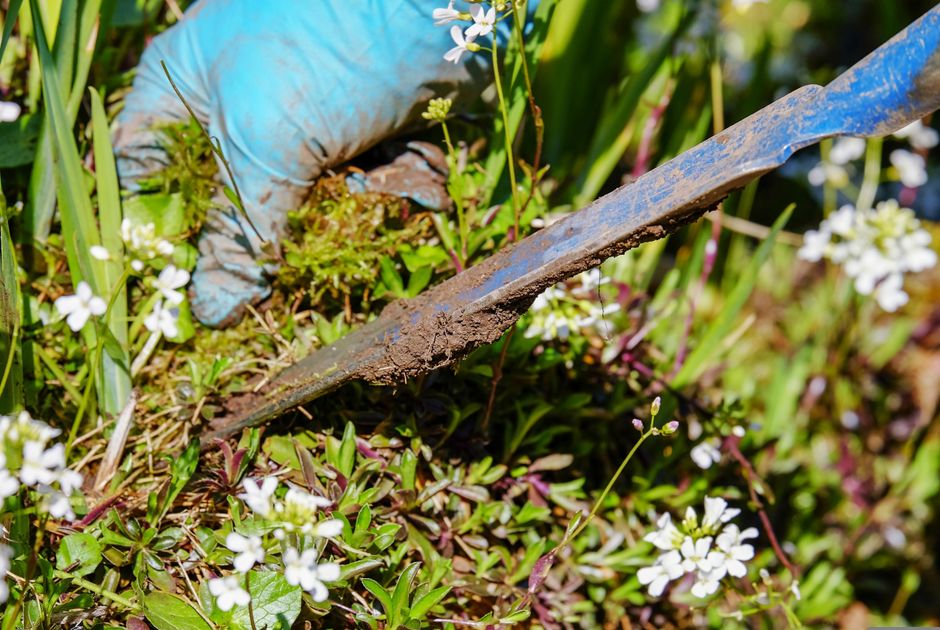
Insider tips avoid common gardener mistakes in Plumstead gardens
If your Plumstead garden has ever looked fine on a Sunday morning and a bit tired by the next weekend, you are not alone. A lot of garden problems start small: overwatering, mowing too short, pruning at the wrong time, or simply doing too much at once. The good news? Once you know the patterns, most of those headaches are easy to avoid. This guide shares insider tips to avoid common gardener mistakes in Plumstead gardens, with practical advice for real London gardens, not idealised magazine spaces.
Plumstead gardens can be rewarding, but they also ask for a bit of judgement. There are shaded corners, compact beds, patios that trap debris, lawns that struggle after heavy rain, and hedges that seem to grow two inches overnight. Let's face it, gardening is rarely about one perfect fix. It is about timing, observation, and not making the same avoidable mistake twice.
Below, you will find a clear breakdown of what goes wrong, why it matters, and how to get better results without overcomplicating things. If you want ongoing help, you can also explore our garden maintenance service or browse the wider services overview for the most relevant support.
Table of Contents
- Why these gardener mistakes matter
- How the approach works in practice
- Key benefits and practical advantages
- Who this is for and when it makes sense
- Step-by-step guidance
- Expert tips for better results
- Common mistakes to avoid
- Tools, resources and recommendations
- Law, compliance, standards and best practice
- Options, methods and comparison table
- Case study or real-world example
- Practical checklist
- Conclusion
- Frequently asked questions
Why Insider tips avoid common gardener mistakes in Plumstead gardens Matters
Gardens do not usually fail because of one dramatic event. More often, they decline through a chain of tiny missteps. A lawn is cut too short in dry weather. A hedge is trimmed hard at the wrong time. Compost is added without checking soil condition. A bed gets planted in a sunny sketch on paper, then turns out to be in shade for half the day. One thing leads to another. You know how it goes.
In Plumstead, the local context makes these decisions matter even more. Urban gardens often have mixed soil quality, limited airflow, and awkward light patterns created by fences, neighbouring buildings, and mature trees. That means the same routine that works elsewhere may not work quite as well here. A practical, local approach helps you avoid waste, save time, and keep the garden looking healthy through changeable weather.
It also matters because the cost of fixing mistakes is usually higher than getting them right first time. Replacing a stressed lawn, correcting poor drainage, or replanting shrubs after a bad placement can be frustrating and expensive. A little planning up front usually gives better value than a lot of rescue work later. To be fair, that is true of most things in life.
There is also a trust angle. If you are maintaining a property for your family, a landlord, or a client, a tidy garden signals care and competence. Messy edges, uneven growth, and unhealthy plants are often a sign that maintenance has been reactive rather than considered. The aim here is not perfection. It is consistency, common sense, and fewer avoidable problems.
How Insider tips avoid common gardener mistakes in Plumstead gardens Works
The approach is simple: observe first, act second, and match the work to the garden's conditions. That sounds obvious, yet many common mistakes happen because people jump straight into cutting, feeding, or planting before they properly understand the space. In practice, the best results come from reading the garden like a map.
Start with the basics: light, soil, drainage, wind exposure, seasonal shade, and the amount of time you can realistically give the garden. Then choose methods that fit those conditions. A small paved courtyard needs a different routine from a long rear lawn or a mixed border with hedging and mature shrubs. There is no single "correct" gardening system, despite what social media would have you believe.
The other part is sequencing. Many people do the right tasks in the wrong order. For example, trimming before inspecting for damage can hide problems. Fertilising before aerating compacted soil can waste product. Pruning after nesting activity is underway can create avoidable disruption. Good gardening is a bit like cooking: the order matters more than people think.
In practical terms, this means setting a cycle for inspection, light maintenance, and seasonal work. If you maintain a garden this way, you are less likely to overcorrect. You will also notice small changes sooner, which makes everything easier.
Key Benefits and Practical Advantages
Getting this right has benefits that show up quickly and keep compounding over time. A healthier lawn, more predictable growth, fewer pest issues, and a tidier overall look are the obvious ones. But the quieter advantages are often the most valuable.
- Less waste: fewer dead plants, fewer wasted bags of compost, and fewer unnecessary replacements.
- Better seasonal resilience: plants and lawns handle dry spells, wet weeks, and sudden temperature changes more reliably.
- Lower maintenance stress: small, regular work is easier than big catch-up jobs every few months.
- Improved safety: clearer paths, controlled growth, and fewer hidden trip hazards around borders or decking.
- Better presentation: neat lines and balanced planting make even modest Plumstead gardens feel cared for.
Another practical advantage is decision confidence. Once you understand the common errors, you stop second-guessing every task. Should you water today? Should you trim now or wait? Is that patch of lawn just dormant or actually damaged? Those questions become easier to answer. Not always instantly, but more often than not.
"The best gardening improvements are rarely dramatic. They are the small corrections that stop the same problem returning every month."
Who This Is For and When It Makes Sense
This guidance is for anyone who wants a better garden without learning the hard way. If you are a homeowner trying to keep on top of a busy outdoor space, it will help you avoid the most common traps. If you rent out a property, it can help you keep the outside space presentable with fewer emergency call-outs. And if you simply enjoy gardening but want more reliable results, this is for you too.
It also makes sense if you are dealing with one or more of these situations:
- the lawn keeps thinning or turning patchy;
- hedges look uneven after trimming;
- beds are overcrowded, muddy, or difficult to keep tidy;
- shrubs seem healthy for a while, then suddenly struggle;
- you want a low-fuss routine rather than constant garden firefighting.
For more involved work, such as major overgrowth or a reset after a long gap in upkeep, garden clearance can be a sensible starting point before maintenance becomes manageable again. Likewise, if hedges are a recurring issue, a dedicated hedge trimming service may be more effective than occasional DIY cuts.
When the garden starts to feel like one more thing on an already full list, a bit of outside support can save a lot of hassle. Truth be told, that is usually when people benefit most.
Step-by-Step Guidance
Here is the practical part. If you want to avoid common mistakes, work through the garden methodically. No rushing. No guessing. Or at least, less guessing than before.
- Walk the garden properly. Look at the space in daylight and note where water sits, where moss develops, which areas dry out first, and which parts get the most foot traffic.
- Identify the highest-risk mistakes. These are usually overwatering, cutting too much at once, planting in the wrong place, and ignoring soil compaction.
- Check the condition of each zone. Lawns, borders, hedges, trees, decking edges, and paved areas all need different treatment. A one-size-fits-all routine usually causes trouble.
- Set priorities. If the lawn is patchy but the hedge is fine, focus on the lawn. If a border is full of weeds but the rest is manageable, clear and reset that area first.
- Use the right timing. Some tasks are best in cooler, settled weather. Others are safer after soil has dried slightly. A damp Saturday afternoon is not always the ideal moment, despite appearances.
- Work in small stages. Trim, assess, and step back before taking off more growth. The fastest way to regret a haircut is to keep cutting after you already thought it looked okay.
- Review after each session. Check whether the garden looks balanced and whether anything now needs watering, mulching, or support.
A simple rule helps here: if the garden looks stressed after a task, you probably pushed it too hard. If it looks a little tidier and more settled, you are on the right track.
Expert Tips for Better Results
A few insider habits make a bigger difference than expensive equipment. These are the kinds of small decisions that separate a garden that merely survives from one that steadily improves.
1. Watch the soil before you reach for fertiliser
Many gardeners feed a plant because it looks unhappy. Sometimes that helps, but not always. If the soil is compacted, dry underneath, or waterlogged, feeding alone will not solve much. Test the texture with your hand. If it clumps hard, smells sour, or sheds water, fix the soil condition first.
2. Trim hedges in stages, not all at once
Heavy cutting can expose bare inner growth and leave hedges looking thin for weeks. Light, regular trimming is usually better. If the hedge has already become awkward, reduce it gradually. It is boring advice, perhaps, but boring is often what works.
3. Mow with the season, not the calendar
Grass does not care that it is the first weekend of the month. If the ground is saturated or the lawn is stressed by heat, change the plan. During some periods, keeping the blade slightly higher protects the grass and reduces brown scorch. For routine support, our lawn mowing service is designed to keep cuts neat without overstressing the turf.
4. Keep edges and borders tidy before weeds set in
A quick edge every so often is far easier than dealing with a full takeover later. One overgrown corner can seed the whole border. It sounds dramatic, but anyone who has fought couch grass or persistent bindweed knows the feeling.
5. Treat drainage as a design issue, not just a maintenance issue
If water gathers in the same place repeatedly, do not just assume it is bad luck. Check grading, compaction, and nearby hard surfaces. Sometimes a small landscaping adjustment saves years of annoyance. If the problem is structural, landscaping support may be the better answer than repeated patch repairs.
Common Mistakes to Avoid
Here is the heart of the matter. These are the mistakes that come up again and again in Plumstead gardens, often because they look harmless at first.
- Cutting lawns too short: this weakens the grass, exposes soil, and encourages weeds.
- Overwatering in cool weather: excess moisture can create shallow roots and soggy patches.
- Using the same approach in shade and sun: plants in shaded areas need different care, and lawns there often struggle more.
- Pruning at the wrong time: some plants respond well to trimming, others sulk for weeks if you do it too hard or too late.
- Ignoring hedge base growth: a neat top with a messy base still looks untidy, and it can hide issues.
- Planting too close together: it looks full at first, then turns cramped and disease-prone.
- Skipping regular clearing: leaves, clippings, and debris invite damp and make it harder to spot problems early.
- Trying to fix everything in one go: that usually leads to fatigue, rushed decisions, and uneven results.
One slightly silly but very real mistake: people often trim a plant because it "looks a bit funny" and only later realise they removed the part that was protecting new growth. Happens all the time. Gardening has a way of humbling everyone sooner or later.
Tools, Resources and Recommendations
You do not need a shed full of gadgets to maintain a good garden. In fact, too many tools can become clutter. A few well-chosen basics usually do the job better.
| Task | Useful tool or approach | Why it helps |
|---|---|---|
| Lawn upkeep | Reliable mower with adjustable cut height | Helps avoid scalping the grass and makes seasonal adjustments easier |
| Hedge shaping | Sharp trimmers or scheduled professional trimming | Produces cleaner cuts and more even shape control |
| Border care | Hand fork, trowel, and mulch | Supports soil work, weed control, and moisture retention |
| Heavy seasonal reset | Clearing bags, pruning tools, and a disposal plan | Makes large jobs safer and quicker to complete |
| Design changes | Professional landscape planning | Reduces costly rework when paths, beds, or features need rethinking |
If the garden has become cluttered with old growth or waste, a garden clearance visit can reset the space before you resume regular maintenance. For more specialised work, such as trees that are too large, unsafe, or blocking light, tree lopping and removal may be necessary, though that should always be handled carefully and with proper judgement.
You can also consider sustainability in the way you work. Reusing suitable green waste, reducing unnecessary bagging, and making sensible disposal choices all add up. If that matters to you, take a look at the site's recycling and sustainability information.
Law, Compliance, Standards and Best Practice
For most private garden work, the main standard is not some dramatic legal rule; it is safe, sensible practice. That said, there are a few important points to keep in mind. Waste from garden work should be handled responsibly, especially if you are disposing of large volumes of green waste, soil, timber, or mixed materials. If you hire help, you want a provider that treats health and safety seriously and has the right insurance in place.
Tree work in particular can carry higher risk. Larger branches, unstable stems, hidden decay, and proximity to structures all make judgment important. It is one of those tasks where confidence is not the same as competence. If you are uncertain, leave it alone and ask for proper assessment. That is the grown-up move, really.
Good practice also includes respecting neighbours and nearby properties. In dense residential streets, noise, debris, and overspray from cutting or clearing can all become issues if a job is rushed. Tidying up properly after work is part of professional behaviour, not an optional extra.
If you are comparing providers, it helps to review things like insurance and safety, as well as health and safety policy information. If you want clarity on how a provider handles payments, it is also sensible to check payment and security and terms and conditions. None of that is glamorous, but it does protect you from avoidable problems.
Options, Methods, or Comparison Table
Not every garden issue needs the same response. Sometimes a quick tidy-up is enough. Other times, the space needs a proper reset. Here is a simple comparison to help you choose the right route.
| Approach | Best for | Pros | Watch out for |
|---|---|---|---|
| DIY maintenance | Small, regular tasks | Flexible, lower cost, good for staying in touch with the garden | Easy to overdo pruning or mow at the wrong height |
| Scheduled professional help | Ongoing upkeep and consistency | Reliable timing, fewer mistakes, better seasonal planning | Needs clear expectations and good communication |
| One-off clearance | Overgrown, neglected, or cluttered spaces | Fast reset, easier to see the real condition of the garden | Does not replace long-term maintenance |
| Landscape improvement | Problem layouts, drainage issues, tired design | Can change how the space works, not just how it looks | Should be planned carefully to avoid wasted spend |
In practice, many Plumstead gardens benefit from a mix. A tidy schedule for lawn care, occasional hedge trimming, and seasonal clearance often beats an all-or-nothing approach.
Case Study or Real-World Example
Here is a realistic example. A small rear garden in Plumstead had a lawn that looked patchy every spring, a hedge that had been cut back hard in one session, and borders that constantly filled with weeds. Nothing was catastrophically wrong, but the garden never looked settled. Every visit felt like starting again.
The first change was simple: stop mowing too low. The mower height was raised, and cuts were spaced more sensibly. That reduced stress on the grass. Next, the hedge was brought back into shape gradually rather than aggressively. The final change was to clear the borders properly, improve soil condition, and mulch the bed edges so weeds had less room to take hold.
The result was not instant perfection. Gardens rarely do that. But over a few weeks, the space looked more even, less tired, and easier to manage. The owner spent less time firefighting and more time keeping things tidy. That is usually the real win.
In situations like this, a broader service such as landscape gardening can help if the issue is not just maintenance but how the space is arranged in the first place. Sometimes the layout itself is the mistake.
Practical Checklist
Use this quick checklist before you start any garden work. It is simple, but it catches a lot of errors before they happen.
- Have I checked the garden in daylight?
- Do I know which areas are wet, dry, shaded, or compacted?
- Am I clear on the task order before I begin?
- Is the lawn being cut to a sensible height for the season?
- Am I trimming only as much as the plant can handle?
- Have I cleared debris, leaves, and clippings from key areas?
- Do I need to pause and reassess before cutting further?
- Is there a safety issue with trees, slopes, or hard surfaces?
- Would a professional service save time or reduce risk here?
- Have I planned waste disposal or recycling properly?
Keep it that simple. Overthinking is a bigger enemy than most people admit.
Get a free quote today and see how much you can save.
Conclusion
The best way to avoid common gardener mistakes in Plumstead gardens is to slow down a little, observe more closely, and work with the garden rather than against it. Most problems come from rushing, guessing, or applying the same fix everywhere. Most improvements come from a steadier rhythm: inspect, decide, act, review.
If you remember only one thing, make it this: small, consistent corrections usually beat big rescue jobs. That is true for lawns, hedges, borders, trees, and the overall feel of the space. And once the garden starts responding, you will notice it. The place feels lighter. Cleaner. More yours.
For ongoing help, you can also learn more about the team on the about us page or check the pricing and quotes information when you are ready to plan the next step. A well-kept garden is rarely about one big effort. It is about the quiet, sensible choices that keep paying off.
And honestly, that is the nicest kind of progress there is.
Frequently Asked Questions
What are the most common gardener mistakes in Plumstead gardens?
The biggest mistakes are cutting lawns too short, overwatering, pruning at the wrong time, planting in the wrong spot, and ignoring drainage or soil compaction. These issues may seem small at first, but they often lead to ongoing maintenance problems.
How do I know if I am mowing my lawn too low?
If the lawn looks scalped, feels thin, or dries out very quickly after cutting, the blade is probably too low. A slightly higher cut is usually safer in mixed weather and helps the grass stay stronger.
Is it better to clear an overgrown garden or maintain it gradually?
If the garden has been neglected for a while, a clearance first is usually the cleanest option. Once the space is reset, gradual maintenance is much easier and less stressful than trying to fight back through heavy growth every visit.
When should hedges be trimmed?
That depends on the hedge type and its condition, but the key point is to avoid harsh cutting that removes too much growth at once. Light, regular trimming is generally easier to manage than dramatic reductions.
Why does my Plumstead garden get waterlogged in the same spot?
Repeated waterlogging usually points to drainage, compacted soil, or nearby hard surfaces pushing water into one area. It is worth treating that as a site issue rather than just watering or planting more lightly.
Can I improve my garden without redesigning the whole thing?
Yes. Often the biggest gains come from better maintenance: proper mowing, smarter trimming, tidier borders, and regular clearing. A full redesign is only needed if the layout itself is causing ongoing problems.
What should I do before starting major garden work?
Walk the space, identify problem areas, check for safety risks, and decide whether you need clearance, mowing, hedge work, or larger landscaping support. A few minutes of planning saves a lot of backtracking.
How often should I review the condition of my garden?
Weekly checks are helpful during the growing season, especially after windy or wet weather. Even a short look around can catch issues like broken branches, weeds, or drainage problems before they spread.
Do I need professional help for tree work?
If the tree is large, unstable, near a structure, or showing signs of decay, professional assessment is the safer choice. Tree work can carry more risk than it first appears, so caution is wise.
What is the easiest way to avoid repeating the same mistakes?
Keep a simple routine and note what happens after each task. If a certain hedge, bed, or lawn area always struggles, treat it differently next time rather than repeating the same approach and hoping for the best.
How do I choose between DIY and a maintenance service?
Choose DIY for small, regular tasks if you have the time and confidence. Choose a maintenance service when you want consistency, expert judgement, or help with bigger jobs like clearance, hedge trimming, or lawn care.
If you would like help with recurring problems, explore our garden maintenance, lawn mowing, and hedge trimming options to find the right fit for your garden.