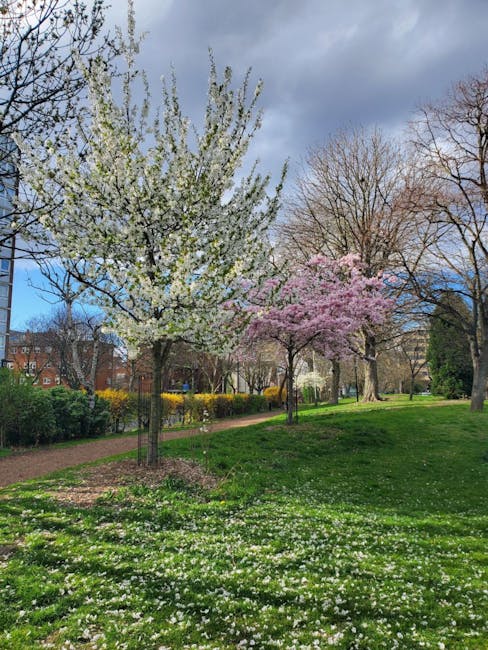
Plumstead Common garden maintenance guide for SE18 homes

If you live near Plumstead Common, you already know the charm of having a garden in SE18: a bit of green relief, some privacy, and a space that changes with the seasons. The catch? London gardens work hard. Shade, wind, compacted soil, rainfall, tree cover, and the usual day-to-day wear can turn a tidy plot into a weekly chore very quickly.
This Plumstead Common garden maintenance guide for SE18 homes is here to make the job feel manageable. Whether you are caring for a small terrace garden, a family lawn, or a more established plot with hedges, borders and paving, you will find practical steps, realistic expectations, and a few local-minded tips that actually help. Not the glossy, unrealistic stuff. Just the useful bits.
For some homes, regular upkeep is enough. For others, a fuller tidy-up or a planned schedule makes more sense. Either way, the goal is the same: keep the garden healthy, safe, and pleasant to use, without letting it become one of those jobs that hangs over you for months. Let's get into it.
Why Plumstead Common garden maintenance guide for SE18 homes Matters
Gardens in SE18 face a pretty mixed bag of conditions. Some plots get plenty of sun, others sit under mature trees or fence lines that keep things damp and shaded. That means moss can creep in, hedges can race ahead, weeds can settle into paths, and lawns may thin out faster than you expect. Add a busy household into the mix and, well, the garden can slip out of hand surprisingly fast.
Garden maintenance matters because it protects both the look and function of your outdoor space. A maintained garden is easier to use, easier to clean, and less likely to develop costly problems later. Small issues like overgrown edging, blocked drainage, or neglected shrubs do not sound dramatic at first. Then one wet spell arrives and suddenly you have slippery paths, flat borders, and a long Saturday ahead of you.
There is also the matter of how a garden supports the rest of the home. In Plumstead Common, many homeowners use the garden as an extension of living space: somewhere for children to play, somewhere to sit with a coffee, somewhere to dry laundry or grow a few herbs. If the space is out of balance, you feel it every day. If it is cared for, life is just easier. Simple as that.
Expert summary: consistent maintenance is usually more effective than occasional big clear-ups. The small, regular jobs stop the garden from becoming a weekend-eating monster.
How Plumstead Common garden maintenance guide for SE18 homes Works
Good garden maintenance is not just mowing the grass and hoping for the best. It is a cycle of checking, cutting, clearing, feeding, and adjusting based on the season. In practical terms, it means looking at the garden as a living system rather than a list of isolated jobs.
Here is how a sensible maintenance routine usually works:
- Assess the space: identify what needs regular attention, what is seasonal, and what only needs occasional work.
- Prioritise safety and access: clear paths, remove trip hazards, keep edges visible, and make sure gates and entrances are usable.
- Handle routine care: mow, trim, weed, tidy borders, and manage green waste before it builds up.
- Monitor plant health: check for dead patches, overgrowth, pests, disease, and stressed plants.
- Schedule heavier jobs: hedge shaping, clearance, tree work, and larger tidy-ups are best planned rather than left until urgency forces the issue.
In a home garden, that process might look very straightforward. On one visit, you cut the lawn and remove clippings. On the next, you trim back a hedge that is leaning into the path and lift low branches to let light in. After that, you spot a patch of border weeds that need attention before they spread. Nothing fancy. Just a calm, repeating rhythm.
If the garden has become too much to keep on top of, a broader service such as garden maintenance or a one-off garden clearance can reset things without turning the process into a marathon. And if your outdoor space needs more than upkeep, it may be worth looking at landscaping or landscape gardening to improve the layout as well as the maintenance routine.
Key Benefits and Practical Advantages
The most obvious benefit is a nicer-looking garden. Fair enough. But the real value runs deeper than appearance. A well-maintained garden is safer, more usable, and much less stressful to live with.
- Less stress: smaller jobs stay small when you deal with them regularly.
- Better lawn condition: routine mowing and edging help grass grow more evenly and look fuller.
- Improved plant health: deadwood, overcrowding, and poor airflow are easier to manage when checked often.
- Safer outdoor space: tidy paths, controlled growth, and removed debris reduce slips, trips and awkward surprises.
- More usable space: a clear patio or lawn is far more inviting than one buried under leaves and clutter.
- Better value from your property: a cared-for outside area creates a stronger overall impression, especially in tight London streets where first impressions matter.
There is another practical upside people sometimes overlook: maintenance helps you notice problems early. A cracked paving slab, a leaning fence panel, a hedge that is starting to crowd a neighbour's boundary, or a tree branch rubbing against roofing can all be dealt with sooner if the garden is inspected regularly. That saves money and, quite honestly, a lot of hassle.
Who This Is For and When It Makes Sense
This guide is useful if you own, rent, let, manage, or simply help care for a garden in the Plumstead Common and wider SE18 area. It is especially relevant if your outdoor space has been a bit neglected after winter, if you are preparing a property for sale or tenancy, or if you just cannot keep up with fast-growing plants and lawn care.
It also makes sense if you recognise any of these situations:
- Your hedge keeps getting wider instead of neater. Happens more often than people admit.
- The lawn looks patchy, flat, or full of moss after wet weather.
- Weeds keep reappearing in borders and paving joints.
- Leaves, twigs, and garden waste are building up faster than you can clear them.
- The garden feels awkward to use because access is blocked or surfaces are slippery.
- You have recently moved in and the space needs a proper baseline tidy-up.
For some households, a monthly visit is enough. For others, a seasonal plan works better. If the garden has become overgrown, a one-off reset first and then ongoing care afterwards is often the easiest route. That is usually the least painful option, to be fair.
Step-by-Step Guidance
If you want a practical structure, start here. This is the order that usually makes the most sense for SE18 home gardens, especially where space is limited and the garden has to work hard.
1. Walk the garden before touching anything
Take two or three minutes and look at the whole space. Notice what is tall, what is damaged, what is blocking access, and what simply looks tired. A quick walk-through often reveals more than you expect. You might spot a hidden patch of weeds behind a shed, a drainage issue near a fence, or a shrub shading out the flower bed.
2. Clear obvious debris first
Pick up branches, leaves, fallen fruit, old pots, and anything that can get in the way. Clearing the surface makes every other task easier. It also gives you a cleaner view of what actually needs doing. This is one of those boring jobs that pays off immediately.
3. Tackle mowing and edging
For many SE18 gardens, lawn care is the heartbeat of maintenance. Mowing at the right height keeps grass healthier, while edging gives the whole garden a tidier look. If the grass has grown too long, do not scalp it all at once. Trim gradually. That is kinder to the lawn and less likely to leave brown stress marks.
If the lawn needs consistent attention, a dedicated lawn mowing service can save a lot of time and keep the grass more even through the season.
4. Cut back hedges and overgrowth
Hedges can quickly create shade, block paths, and make a small garden feel smaller. Aim for clean lines and safe access rather than trying to force a perfect shape in one go. If the hedge is high, dense, or awkwardly placed, professional hedge trimming is often the sensible option.
5. Weed borders and hard surfaces
Weeds love gaps. They do not ask permission. Pull them before they seed, and clear them from paving joints before roots settle. If you prefer a slower but more complete approach, remove the roots rather than just the top growth. It is a bit more effort now, less work later.
6. Check trees, shrubs, and structural plants
Look for broken branches, low limbs, overcrowding, and anything touching walls, fences, or roofs. For larger trees, or anything that looks unsafe, do not improvise. It is better to get proper help than to become a cautionary tale with a ladder. Services such as tree lopping and removal may be relevant where growth is unmanaged or risky.
7. Finish with borders, patios, and waste removal
Rake, sweep, and bag the waste. Tidy the edges. Put the tools away. It sounds basic, but the final ten minutes often determine whether the garden feels "done" or merely interrupted. If there is a lot of material to remove, a garden clearance approach can be the neatest solution.
Expert Tips for Better Results
Small habits make a big difference. In our experience, the best-maintained gardens are not always the biggest or the most expensive ones. They are the ones with a rhythm.
- Work with the season, not against it. Spring and early summer need more frequent attention because growth surges quickly.
- Cut little and often. Regular mowing and trimming are easier on plants than dramatic cutbacks after weeks of neglect.
- Leave room for light and airflow. A cramped, shaded garden often needs selective thinning rather than blunt cutting.
- Keep the hardest-to-see areas on the list. Behind bins, along fences, and under shrubs are where problems quietly build up.
- Use the right finish for the space. A family garden, a rental, and a display garden all need slightly different levels of polish.
- Store tools in a ready state. Sharp blades, charged batteries, empty bags, and clean gloves save time when you only have an hour spare.
One little tip that often gets ignored: keep notes. Even a scruffy notebook or phone reminder helps. If you know when the hedge was last cut or when the lawn was last scarified, you stop guessing. Which, let's face it, is where half the frustration begins.
If you are planning wider improvements, services overview pages can help you think through the difference between routine maintenance and bigger redesign or repair work. Sometimes a garden does not just need tidying. It needs a smarter layout, proper edging, or a more practical surface.
Common Mistakes to Avoid
Most garden problems do not begin with one huge error. They begin with a handful of small ones repeated over time. The good news? These are easy enough to spot once you know what to watch for.
- Cutting everything too hard at once: this can stress lawns, shrubs, and hedges.
- Letting green waste pile up: a few bags become a mess surprisingly quickly, especially in damp weather.
- Ignoring access routes: a neat garden is still awkward if the path to the shed or back gate is blocked.
- Leaving hedge work too long: oversized hedges are harder to restore and can create boundary issues.
- Not checking for hidden damage: overgrowth can conceal rot, unstable timber, broken edging, or drainage issues.
- Using the wrong frequency: once-a-season visits may be fine for some plots, but not for fast-growing gardens.
Another easy mistake is assuming every garden should look the same. A compact SE18 courtyard, a narrow terrace plot, and a larger family garden have different needs. Copying a maintenance pattern from somewhere else can waste time and money. Better to match the care to the space.
Tools, Resources and Recommendations
You do not need a shed full of expensive kit to keep a garden under control. A few dependable tools, used properly, usually beat a lot of clutter. That said, the right tools depend on the job.
| Task | Useful tools | What to look for |
|---|---|---|
| Lawn care | Mower, edging tool, rake | Clean blades, reliable cutting height, easy collection of clippings |
| Hedge and shrub work | Shears, hedge trimmer, loppers | Sharp cutting edges and safe handling for dense growth |
| Weed control | Hand fork, hoe, weeding knife | Tools that reach roots without tearing surrounding plants |
| General tidy-up | Rake, broom, heavy-duty bags, gloves | Comfort, durability, and enough capacity for proper waste removal |
| Heavy jobs | Professional equipment | Safer handling for larger clearance, tree work, or awkward access |
For homeowners who want a more polished finish or have limited time, it often makes sense to pair DIY upkeep with occasional professional help. That might be a recurring maintenance visit, seasonal hedge work, or a one-off reset after a long gap. If budget planning matters, the pricing and quotes page is a sensible next stop before deciding what level of support you actually need.
There are also practical considerations beyond the tools themselves. Waste disposal, access, and safety all affect how smoothly the work goes. If your garden produces a lot of cuttings or the project feels too big to handle alone, do not force it. That is how little jobs turn into sore backs and half-finished weekends.
Law, Compliance, Standards, or Best Practice
For most home gardens, the main concern is not legal complexity; it is sensible practice. Still, there are a few points worth keeping in mind in a place like SE18 where gardens sit close together and boundaries matter.
- Shared boundaries: if hedges or trees affect neighbouring properties, it is usually better to communicate early and keep work neat and proportionate.
- Overhanging growth: branches, roots, and hedges can create disputes if they are left to encroach across boundaries.
- Safe working methods: ladders, power tools, and tree work need care. If the task is high, heavy, or awkward, proper precautions matter more than speed.
- Waste handling: green waste should be removed responsibly, and recycling or reuse where possible is a good habit rather than an afterthought.
Professional operators should also work to clear safety and insurance expectations. If you are choosing help, it is reasonable to ask how work is carried out, what happens with waste, and whether the provider has appropriate safeguards in place. You can review related policies such as health and safety policy, insurance and safety, and recycling and sustainability to understand the standards and values behind the service.
That kind of transparency is not just box-ticking. It helps you feel more comfortable, especially when work involves tools, access through side passages, or larger amounts of waste. A tidy garden is nice. A tidy and safe process is better.
Options, Methods, and Comparison Table
Not every garden needs the same level of attention. Some homeowners are happy with a weekend routine. Others would rather hand the whole thing over and get it done properly. Both can work.
| Approach | Best for | Pros | Trade-offs |
|---|---|---|---|
| DIY maintenance | Small gardens, light upkeep, confident homeowners | Flexible, low-cost, hands-on control | Time-consuming; easy to fall behind |
| Scheduled professional maintenance | Busy households, rental homes, faster-growing gardens | Consistent results, less stress, better continuity | Ongoing cost |
| One-off clearance | Overgrown plots, move-in prep, post-winter resets | Quick transformation, immediate improvement | Does not solve long-term neglect on its own |
| Landscape-led improvement | Poor layout, drainage issues, awkward use of space | Makes the garden easier to maintain later | More planning and higher upfront effort |
In practice, many SE18 homeowners use a blend of these methods. A one-off tidy-up can set the base level, then routine visits keep everything under control. If the garden has structural issues, though, a bit of landscape gardening or broader landscaping can make the space easier to live with long term.
Case Study or Real-World Example
Picture a typical SE18 back garden after a wet spring: the lawn is long and patchy, the hedge has crept over the fence line, and the patio is dotted with moss and leaf litter. Nothing unusual there. The owners had been meaning to tackle it for weeks, but work, family life, and a few rainy weekends got in the way. Happens all the time.
The first step was a full tidy-up rather than a quick cosmetic cut. Debris was removed, the lawn was reduced carefully, the hedge was trimmed back to restore shape, and the borders were weeded properly. Once the clutter was gone, a few extra issues became visible: a blocked corner drain, a cracked edging stone, and a patch where the grass had failed because it had been heavily shaded.
That is the useful bit. The garden did not just look better. It became easier to use, easier to maintain, and much easier to plan for. The owners moved from constant catch-up mode to a simple monthly routine. A small change, really, but a noticeable one. More light, less mess, less dread when opening the back door on a Monday morning.
In cases like this, the most effective solution is often not one dramatic intervention. It is a sensible sequence: clear, cut back, inspect, then maintain. Nothing magical. Just practical, steady work.
Practical Checklist
Use this checklist for a quick garden reset or a monthly maintenance review.
- Walk the garden and spot urgent issues first.
- Clear leaves, branches, toys, pots, and loose debris.
- Mow the lawn at an appropriate height.
- Edge paths, borders, and lawn boundaries.
- Trim hedges and shrubs that are blocking access or light.
- Weed borders, paving joints, and fence lines.
- Check for dead, damaged, or diseased plant growth.
- Look for trip hazards, broken slabs, or hidden damage.
- Bag or remove green waste promptly.
- Decide whether the garden needs ongoing care or a bigger reset.
Quick takeaway: if you can keep the lawn, hedge, borders, and waste under control, the rest of the garden usually feels much easier. That is the core of it.
If you want support turning that checklist into a workable plan, it may help to learn more about the team behind the service on the about us page or get in touch through contact us when you are ready to talk through your garden.
Conclusion
A good garden in Plumstead Common does not happen by accident. It comes from regular attention, realistic planning, and a bit of honesty about what you can and cannot keep on top of yourself. For SE18 homes, that often means staying ahead of the lawn, keeping hedges in check, clearing waste before it builds up, and knowing when a bigger tidy-up is the smarter move.
Whether you handle things yourself or bring in help for the heavier tasks, the goal is the same: a garden that feels calm, usable, and worth stepping into. Not perfect. Just properly looked after. And honestly, that is usually enough.
Get a free quote today and see how much you can save.
When the light changes in the evening and the garden feels open again, you notice it straight away. It makes the whole house feel a little better too.
Frequently Asked Questions
How often should a Plumstead Common garden be maintained?
It depends on the size of the garden and how quickly things grow, but many SE18 homes benefit from at least monthly attention in the growing season. Lawns may need more frequent care, while hedges and borders can often be managed on a slower cycle.
What is included in regular garden maintenance?
Typical garden maintenance includes mowing, edging, weeding, hedge trimming, clearing debris, light pruning, and removing waste. Some gardens also need seasonal plant care, surface tidying, or checks for damage and overgrowth.
Is a one-off clearance enough for an overgrown garden?
It can be a very good start, especially if the garden has been neglected for a while. But if growth is fast or the layout is awkward, a one-off clearance usually works best when followed by ongoing maintenance. Otherwise, the problem tends to come back.
Do I need professional help for hedge trimming?
Not always. Smaller, low hedges can often be managed by a confident homeowner. Taller, denser, or awkwardly placed hedges are a different story, and professional hedge trimming is usually safer and neater in those cases.
What is the difference between garden maintenance and landscaping?
Garden maintenance keeps an existing garden tidy and healthy. Landscaping changes the structure, layout, or surfaces of the garden. If your space needs better flow, drainage, or a more practical design, landscaping may be the better route.
Can regular maintenance improve the value or appeal of my home?
It can improve how the property is perceived, yes. A tidy outdoor space gives a stronger first impression and helps the home feel cared for. It is not a magic fix, but it does make a noticeable difference.
What should I do with the garden waste after maintenance?
Bag it, remove it, or arrange for it to be cleared responsibly. Letting cuttings sit around can make the garden look unfinished and may attract more mess. If you are dealing with a large volume, a clearance service is often the simplest option.
How do I know if my garden needs more than basic upkeep?
If the garden feels hard to use, is repeatedly overgrown, has poor drainage, or hides damaged surfaces and structures, it probably needs more than routine mowing and weeding. That is often the point where a broader tidy-up or layout improvement becomes worthwhile.
Are there safety considerations with tree work in a home garden?
Yes. Tree work can involve height, weight, and hidden instability, so it should be approached carefully. If branches are large, close to structures, or difficult to reach, it is better to treat it as a job for proper equipment and careful handling.
What is the best time of year to sort out an unruly garden?
Spring and early summer are common times because growth becomes more obvious and the garden starts being used more. That said, any time is better than leaving it. A winter tidy-up can also help you start the following season in a much better place.
How can I keep maintenance costs under control?
The simplest way is to stay ahead of problems before they grow. Regular care is usually cheaper than heavy recovery work. It also helps to be clear about what needs doing: routine maintenance, seasonal work, or a one-off clearance can all have very different levels of effort.
Where can I find more information about service standards and payment?
If you want to understand how a provider handles service terms, safety, and related policies, the relevant pages include terms and conditions and payment and security. Those pages help you know what to expect before work begins.